Milan doesn’t perform for visitors. It works, dresses well, eats on schedule, and expects you to keep up. This is Italy’s most modern city—not because it chases trends, but because it’s comfortable setting them and moving on. Daily life here comes first. Espresso is efficient, lunches are purposeful, evenings unfold without ceremony. Art, design, and history aren’t staged; they’re woven into routines that predate your arrival. Milan opens gradually, through observation rather than effort. Spend enough time paying attention, and the city feels less reserved and more quietly generous.
✦ NEIGHBORHOODS
Navigli
Canals, aperitivo culture, and a younger crowd—especially after dark. It’s lively, sometimes messy, and unapologetically social.
✦ Best for nightlife and casual dining
✦ Feels more local on weekdays
✦ Choose side streets over canal-front seating
Porta Nuova & Isola
Milan’s modern face. Glass towers, green spaces, and a strong design-forward identity. Isola keeps things grounded with independent shops and neighborhood bars.
✦ Best for contemporary Milan
✦ Excellent food scene without the hype tax
✦ Well-connected but less postcard-pretty
Centro Storico
Landmarks, luxury shopping, and constant motion. Useful, impressive, and intense.
✦ Best for short stays and sight-focused trips
✦ Expect crowds and higher prices
✦ Quiet streets still exist—if you know where to look
TORTONA
Creative studios, converted warehouses, and design-week energy that lingers year-round.
✦ Best for design and fashion insiders
✦ Industrial feel with polished edges
✦ Calmer outside of major events
THINGS TO DO
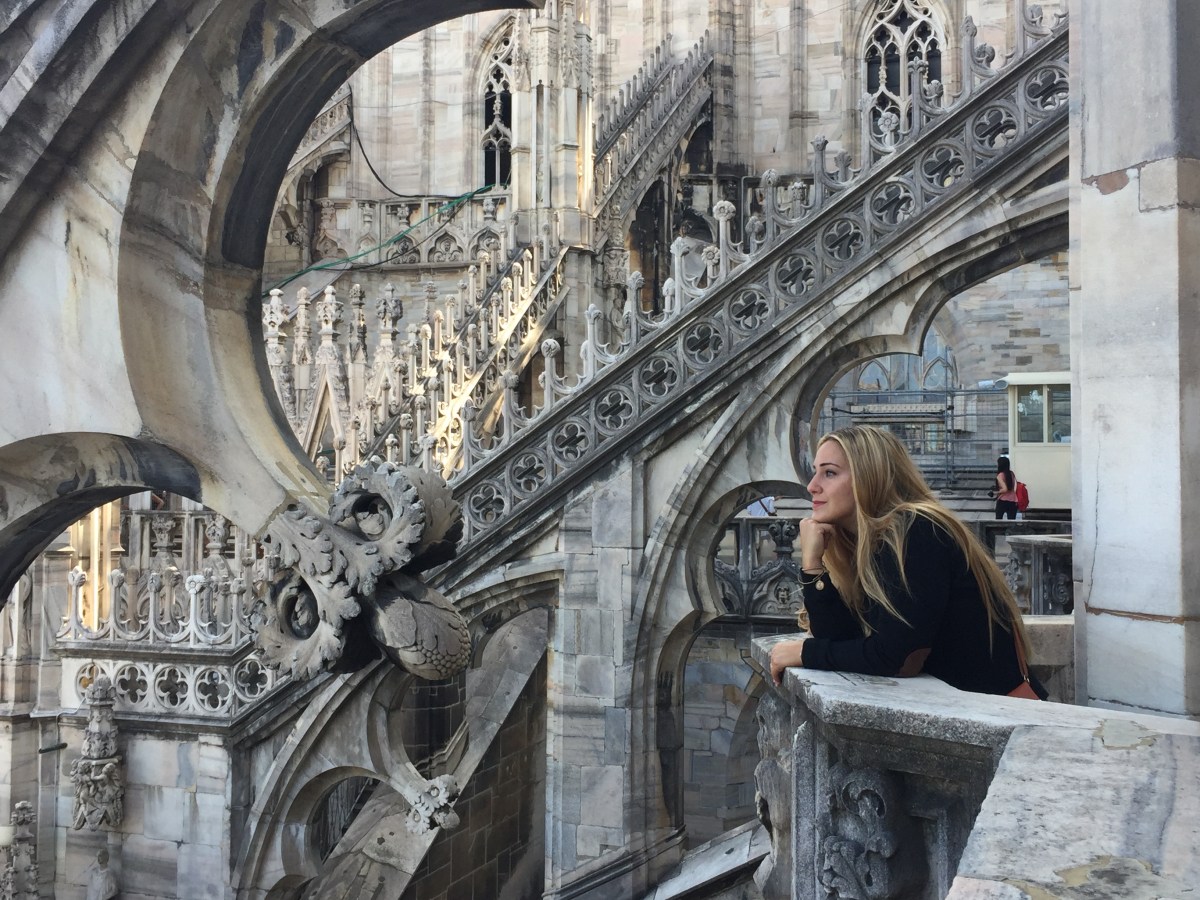
See the Duomo—Properly
Go inside, then go up. The rooftop is the point: marble spires at eye level, the city laid out in calm precision below.
✦ Book rooftop access in advance
✦ Early morning is quieter and clearer
✦ Ride the elevator if you value your patience
VISIT THE LAST SUPPER—ONCE
It’s controlled, brief, and worth doing exactly one time.
✦ Tickets sell out weeks ahead
✦ The experience is more reverent than emotional
✦ Pair it with a slow walk through the area
WALK WITHOUT A PLAN
This is not a city for box-ticking. Milan shows itself between destinations.
✦ Duck into courtyards when gates are open
✦ Notice how streets change block by block
✦ Let routine guide you more than landmarks
SPEND TIME IN BRERA
Not for rushing. For sitting, wandering, and letting the city come to you.
✦ Pinacoteca di Brera is quietly excellent
✦ Streets reward repeat passes
✦ Evenings are social without being loud
APERITIVO—CHOOSE CAREFULLY
A ritual, not a free-for-all.
✦ Order one drink, eat lightly
✦ Avoid anything advertised as “unlimited”
✦ Earlier is better than later
DESIGN BEYOND DESIGN WEEK
Milan’s design culture isn’t seasonal—it’s structural.
✦ Triennale di Milano for context
✦ Showrooms often double as galleries
✦ Look for exhibitions tied to daily life, not spectacle
FOOD & DRINK
Milan eats with purpose. Meals are scheduled, dishes are specific, and trends matter less than consistency.
MILANESE CLASSICS—ORDER THEM HERE
This is the city to lean into tradition—done well, without apology.
✦ Risotto alla Milanese—properly yellow, not decorative
✦ Cotoletta alla Milanese—bone-in, pan-fried, unapologetic
✦ Ossobuco—rich, slow, and non-negotiable
LUNCH IS FUNCTIONAL
Midday meals are efficient by design—short menus, quick pacing, and a shared understanding that lunch has a purpose.
✦ Expect fixed menus and shorter hours
✦ Sitting too long is discouraged
✦ This is a feature, not a flaw
APERITIVO IS NOT DINNER
Treat it as a prelude.
✦ One drink is enough
✦ Small plates should stay small
✦ Quality beats quantity every time
WHERE TO EAT WITHOUT TRYING TOO HARD
Good food is everywhere, but it hides in plain sight.
✦ Neighborhood trattorias over “famous” spots
✦ Menus that change slightly, not constantly
✦ Crowds of regulars at predictable hours
DESSERT IS QUIET
Milan doesn’t do theatrical sweets.
✦ Gelato is simple and seasonal
✦ Pastries favor restraint
✦ Espresso comes after, not with
WHERE TO STAY
Where you stay in Milan determines how the city feels day to day. These areas work best as bases, not backdrops.
BEST FOR FIRST-TIME VISITS—BRERA
Central without being overwhelming.
✦ Walkable to major sights
✦ Easy to orient yourself quickly
✦ Balanced pace from morning to night
BEST FOR DESIGN-DRIVEN TRIPS—PORTA NUOVA & ISOLA
Modern infrastructure with substance behind it.
✦ Excellent transit access
✦ Strong food scene nearby
✦ Feels current without feeling temporary
BEST FOR NIGHTLIFE-FOCUSED STAYS—NAVIGLI
Choose this if evenings matter more than mornings.
✦ Late energy and dense dining options
✦ Well connected by tram and metro
✦ Stay off the canal for quieter nights
BEST FOR SHORT, SIGHT-HEAVY TRIPS—CENTRO STORICO
Efficient, impressive, and demanding.
✦ Minimal transit required
✦ Higher prices are the trade-off
✦ Best for one- or two-night stays
BEST FOR DESIGN EVENTS & LONGER STAYS—TORTONA
Useful when purpose outweighs proximity.
✦ Strong during design-focused travel
✦ Fewer hotels, more apartment stays
✦ Calm outside major event weeks
GETTING AROUND
Milan moves efficiently, and it expects you to do the same. Once you understand the system, getting around is straightforward.
PUBLIC TRANSPORT WORKS
Metro, trams, and buses cover the city well.
✦ The metro is fast and intuitive
✦ Trams are slower but more atmospheric
✦ Tickets are interchangeable across systems
WALK WHEN YOU CAN
The city reveals itself best at street level.
✦ Central neighborhoods are compact
✦ Short walks often replace transfers
✦ Pay attention to traffic—locals don’t hesitate
TAXIS—USE UBER WHEN POSSIBLE
Pricing clarity matters.
✦ Uber offers set fares
✦ Useful late at night or with luggage
✦ Traditional street hails are inconsistent
FROM THE AIRPORT
Plan this in advance.
✦ Malpensa has train connections to the city
✦ Linate is closer and easier
✦ Bergamo works, but adds time
WHEN TO GO
Milan is shaped by schedules—fashion, business, and heat all factor in. Timing matters.
SPRING—THE SWEET SPOT
April through early June is balanced and livable.
✦ Mild weather and longer days
✦ City feels active without pressure
✦ Cultural calendar is full but manageable
SUMMER—HOT AND THINNED OUT
July and August are slower, warmer, and less predictable.
✦ Heat is real, especially in the city
✦ Many locals leave in August
✦ Some restaurants and shops close
FALL—STRUCTURED AND ENERGETIC
September and October bring momentum back.
✦ Cooler temperatures
✦ Strong food and design programming
✦ Fashion weeks increase prices and crowds
WINTER—QUIET WITH EDGE
November through February is understated and efficient.
✦ Fewer visitors
✦ Shorter days, cooler evenings
✦ A good time for museums and dining
A NOTE ON FASHION & DESIGN WEEKS
They change the city.
✦ Hotels book far in advance
✦ Prices significantly increase
✦ Energy is high, patience required
PRO TIPS
Small adjustments make Milan easier—and better.
✦ Book major attractions early, then stop planning
✦ Stand at the bar for espresso—it’s faster and expected
✦ Aperitivo works best before dinner, not instead of it
✦ Skip peak shopping hours unless browsing is the point
✦ Sundays are quieter—plan accordingly
EXPLORE MILAN FURTHER
TOP 5 THINGS TO DO IN MILAN, ITALY: A FIRST-TIMER’S TRAVEL GUIDE
Milan is a modern, bustling city full of art, fashion, and iconic landmarks. While some restaurants and shops close during Ferragosto, there’s still plenty to see and do. From the Duomo to shopping on Via Monte Napoleone, here’s your first-timer’s guide to Milan.
 TRIPPY TULIP