VERONA CITY GUIDE: ARCHITECTURE, FOOD, AND A SMART STOP IN NORTHERN ITALY
Verona is often described generously. That still doesn’t say much about how it actually feels to spend time here. What stands out instead is how well the city works. It’s compact without feeling tight, architecturally layered without being precious, and comfortable enough not to perform for visitors.
This is northern Italy at its most composed. Roman infrastructure sits naturally alongside medieval streets and Renaissance facades. Daily life—markets, aperitivo, dinner—moves at a human pace rather than a tour-bus schedule. You notice it quickly, usually after realizing you haven’t checked your map in a while.
Food matters here, but not theatrically. Verona’s cooking is richer than the south, grounded in butter, braises, and Valpolicella wines. Meals are designed for locals first, which is usually the clearest signal of quality.
If you’re traveling between Milan and Venice, Verona makes logistical sense. If you stay longer, it proves its point. This guide focuses on the architecture, neighborhoods, and food that reward travelers who treat Verona as a place to spend time—not just pass through.
ESSENTIAL VERONA
ARENA DI VERONA (OPERA, FIRST)
Seeing an opera here earns its reputation. The scale, acoustics, and setting do real work—the kind that justifies the logistics and the crowds. Summer performances feel ceremonial without tipping into kitsch, especially once the light drops and the city quiets around it. If you care about music even casually, this belongs at the top of the list.
A daytime visit is still worthwhile for understanding the structure itself, but the arena comes fully into focus at night, doing exactly what it was built to do.
JULIET’S HOUSE & BALCONY (CASA DI GIULIETTA)
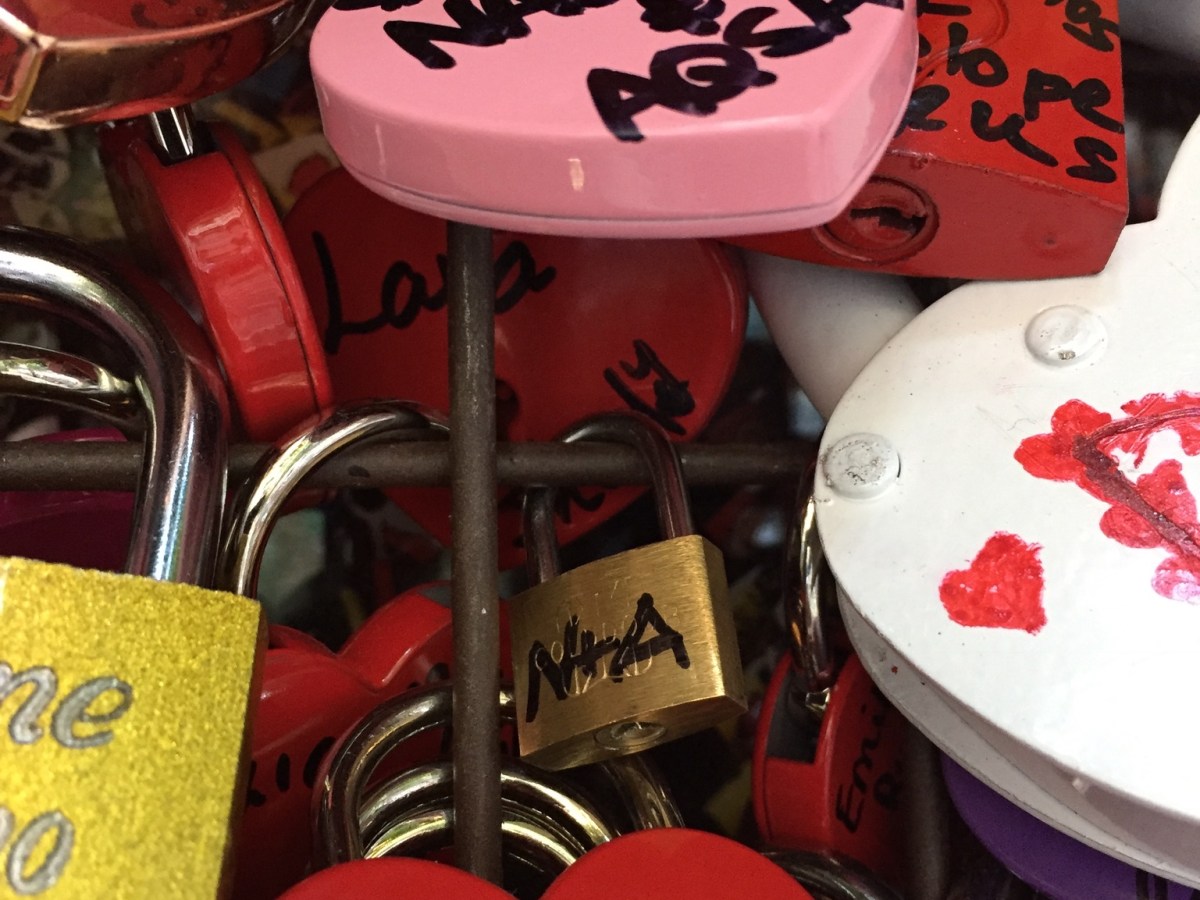
This is Verona’s most visited site, and it draws people for a reason. The story may be literary, the setting curated, but the emotional pull is real—and shared, which is part of the experience. Go early, keep expectations light, and treat the visit as a moment rather than a monument. The courtyard, crowded and earnest, says more about why people come to Verona than the balcony itself.
PIAZZA DELLE ERBE
This is Verona’s most legible public space. Roman foundations, medieval towers, and a daily market rhythm that makes sense once you stop treating it as a backdrop. Come in the morning for movement, later for a drink, and resist the urge to keep looping.
CASTELVECCHIO & PONTE SCALIGERO
Solid, deliberate architecture with a defensive logic that hasn’t softened over time. The museum is well edited, but the bridge is the real punctuation—brick, river, and a perspective that clarifies how Verona holds itself together.
SAN ZENO MAGGIORE
Romanesque at its most assured. Calm, grounded, and slightly removed from the historic center, which works in its favor. The interior rewards unhurried attention, and the surrounding neighborhood feels lived-in rather than staged.
WALK THE ADIGE
Follow the river without a plan. The bends of the Adige explain Verona better than viewpoints—how the city expands, tightens, and relaxes again. It’s orientation without instruction.
AREAS & NEIGHBORHOODS TO KNOW
HISTORIC CENTER (CENTRO STORICO)
This is where Verona reveals itself most easily. The scale is forgiving, the architecture accumulates naturally, and daily life still runs through the streets rather than around them. Stay here on a first visit and the city makes sense quickly, without effort.
CITTADELLA & PORTA NUOVA
Closer to the station and more residential in feel, this area favors practicality over atmosphere. That’s not a flaw. Rooms are often larger, arrivals and departures simpler, and the historic center remains an easy walk away.
SAN ZENO
Quiet, lived-in, and anchored by one of Verona’s most compelling churches. Days unfold slowly here—local bars, unhurried meals, evening walks that don’t feel scheduled. It’s a good place to stay if you want Verona to feel like a city you inhabit, not a sequence of stops.
VERONETTA
Cross the river and the energy shifts. The university brings younger crowds, independent cafes, and a looser rhythm. It’s not trend-driven, but it is current, and it offers a useful contrast to the historic core.
HILLS ABOVE VERONA
The city loosens at the edges. Paths climb gently into the hills, passing villas, olive trees, and viewpoints that put Verona back into context. Best for walking and lingering rather than lodging.
WHERE TO EAT & DRINK
This is a city that eats deliberately. Menus skew regional, portions are calibrated, and flash rarely survives first contact with locals. The places below are here because they hold up—consistently, quietly, and without explanation.
ANTICA BOTTEGA DEL VINO
A reference point for a reason. The wine list is exhaustive without being theatrical, and the cooking is precise, grounded, and confident in its restraint. Come for classic Veronese dishes, stay longer than planned, accept that this is not a quick meal.
OSTERIA LE VECETE
Traditional in the best sense—small room, handwritten menu, dishes that haven’t been optimized for visitors. Pasta is the anchor, service is warm but unscripted, and the pace encourages you to settle in rather than order defensively.
IL DESCO
Formal, thoughtful, and unapologetically serious. This is where Verona’s culinary ambition shows itself most clearly. Expect structure, balance, and a dining room that assumes you’re paying attention. Best reserved for an evening when food is the point.
TRATTORIA AL POMPIERE
Reliable without being predictable. Salumi, cheeses, and northern Italian comfort dishes done cleanly, in a space that feels lived-in rather than curated. Works well for lunch or an unfussy dinner that still feels distinctly local.
ARCHETTO
Casual, central, and efficient—ideal for a glass of wine and something small when you don’t want ceremony. Locals pass through constantly, which is usually all the endorsement you need.
CAFFÈ DANTE BISTROT
A smart stop in Piazza dei Signori when you want a pause rather than a production. Coffee earlier in the day, wine later on, with just enough remove from the main tourist current to make it comfortable.
VERONA IN CONTEXT
VERONA IN CONTEXT
Verona benefits from its surroundings without being dependent on them. These are not escapes from the city so much as extensions of it—places that make more sense once you’ve spent time on Verona’s streets.
LAKE GARDA
Close enough to be tempting, varied enough to choose carefully. The eastern shore is the most natural pairing with Verona—towns like Bardolino and Lazise are manageable as half-day trips and feel lived-in outside peak summer hours. Avoid treating the lake as a checklist; pick one town, stay put, and let the pace reset.
VALPOLICELLA
This is wine country that still works agriculturally. Vineyards, stone villages, and family-run cantine define the landscape, and tastings tend to be measured rather than performative. Amarone may be the headline, but the lighter reds often explain the region better.
VICENZA
Compact, architectural, and refreshingly focused. Palladio’s presence gives the city a clarity that rewards even a short visit. Easy by train, easy to navigate, and a good counterpoint to Verona’s layered history.
PADUA
Larger, busier, and driven by the presence of its university. The Scrovegni Chapel alone justifies the trip, but Padua’s everyday energy and density offer a contrast to Verona’s composure—less contained, more in motion.
VENICE (WITH RESTRAINT)
Yes, it’s close. Yes, it matters. Treat it as its own chapter rather than an add-on. If you’re staying in Verona, go early, return late, and let Verona remain your base.
LOGISTICS THAT MATTER
Verona is straightforward, which is part of its appeal. A few small decisions, made early, make the experience noticeably smoother.
WHEN TO GO
Late spring and early fall are the sweet spots. May, early June, and September offer warm days, manageable crowds, and evenings that still belong to the city. July and August bring opera season energy—and heat. If you’re visiting then, plan your days lightly and your nights well.
GETTING AROUND
The historic center is compact and built for walking. Taxis are useful late at night or for hill access, but rarely essential. Trains connect Verona efficiently to Milan, Venice, Vicenza, and Padua, making day trips easy without a car.
OPERA TICKETS
If the arena matters to you, book ahead. Seats vary widely in experience—numbered seats offer comfort, while stone steps trade padding for atmosphere. Bring a cushion if you choose the latter; locals do.
JULIET’S HOUSE TIMING
Early morning or late evening minimizes congestion. The courtyard remains busy most of the day, but lines move quickly if you’re not intent on entering the house itself.
CROWDS & FLOW
Verona handles visitors better than many Italian cities of its size. Avoid peak midday hours for the Arena and Juliet’s House, and let the city open up again in the early evening, when day-trippers recede and locals reclaim the streets.
PRO TIPS
1️⃣ Buy opera tickets with intention
Cheapest isn’t always best. If you’re staying seated for a full performance, comfort matters. The stone steps are atmospheric but unforgiving—bring a cushion or choose a numbered seat and enjoy the music without negotiating your spine.
2️⃣ Treat Juliet’s House as a moment, not a mission
You don’t need to overplan it. Go early, stay brief, and let it be what it is. The courtyard delivers the context; the rest is optional.
3️⃣ Use the river to reset
When the historic center starts to feel dense, follow the Adige for ten minutes in either direction. The city loosens quickly, and your pace will too.
4️⃣ Eat earlier or later than instinct suggests
Verona rewards flexible timing. Early lunches and later dinners mean better service, calmer rooms, and menus that feel designed rather than rushed.
5️⃣ Stay out after dinner
Verona is at its best once the day-trippers leave. Walk without an agenda, find a quiet piazza, and let the city slow down around you.
Explore Verona further
TOP 5 THINGS TO DO IN VERONA, ITALY
Verona, Italy is more than just the city of Romeo and Juliet. Explore its stunning architecture, historic sites, and hidden gems with these top 5 must-do experiences.
 TRIPPY TULIP