Florence City Guide for First-Timers—What’s Worth Your Time
Florence is often described as overwhelming. In reality, it’s quite navigable once you understand how the city is laid out and how people move through it. Most first visits feel scattered not because Florence is too much, but because days are planned one stop at a time instead of as a whole.
This guide is designed to make that first visit smoother and more enjoyable. It’s organized around geography, timing, and natural flow rather than must-see lists. Neighborhoods matter more than individual sights. When you eat matters almost as much as where. Small decisions shape the day more than big ambitions.
Everything included here is intentional. The goal isn’t to see everything or to chase a perfect version of Florence. It’s to understand the city well enough to move through it with confidence—and leave room for the moments you didn’t plan.
Neighborhoods Worth Your Time
Florence rewards visitors who think in neighborhoods rather than individual sights. The historic center is compact, but it isn’t uniform. Each area has its own rhythm, crowd pattern, and best use of time. These are the neighborhoods that matter most on a first visit—and why.
Duomo & San Lorenzo
This is Florence at its most concentrated. The Duomo piazza, San Lorenzo Market, and the city’s busiest shopping streets all converge here, making the area efficient and crowded in equal measure. It’s useful for early sightseeing and orientation, less so for lingering.
Approach this neighborhood with a plan. Take care of what you want to see, then move on once the foot traffic builds. Florence feels calmer—and more itself—just a few streets away.
Good for
✦ First-morning sightseeing
✦ Major landmarks in close proximity
Not ideal for
✦ Meals you want to linger over
✦ Unstructured wandering
Timing note
Best handled early, before the streets fill and the area turns transactional.
Santa Croce
A better balance of activity and breathing room. Santa Croce is still busy, but the streets feel more spread out, and the atmosphere softens as the day goes on. The area works well for evenings, when restaurants and bars feel active rather than congested.
It’s a good place to stay or spend time if you want to be central without being pinned to Florence’s busiest corridors.
Good for
✦ Evening walks
✦ Casual dinners
✦ Staying central without peak congestion
Pairs well with
✦ Duomo area (easy walk)
✦ Eastern historic center sights
Timing note
Quieter after late afternoon, when day-trippers thin out.
Oltrarno
Across the river, the mood shifts. Oltrarno is residential, imperfect, and more forgiving of unplanned time. Artisan shops, small churches, and everyday routines matter more than headline attractions.
This is where Florence starts to feel livable rather than performative. Wandering pays off, especially if you give yourself an open afternoon or evening.
Good for
✦ Unstructured afternoons
✦ Wine bars and small shops
✦ Seeing a more lived-in side of Florence
Not ideal for
✦ Tight schedules
✦ One-hour drop-ins
Orientation
Across the Arno, west of the historic center—worth the short walk.
Santo Spirito
Santo Spirito revolves around its piazza, and it shows. The area feels social and lived in, with people gathering, eating, and lingering well into the evening. It’s lively without being theatrical, and busy without feeling frantic.
This is a good place to slow down, choose a table, and let the day stretch a little longer than planned.
Good for
✦ Long lunches
✦ Evening atmosphere
✦ Sitting in one place and staying put
Expect
✦ A social square
✦ Local foot traffic
✦ Less polish, more personality
Timing note
Late afternoon into evening is when the area comes alive.
San Frediano
San Frediano sits just beyond Santo Spirito and settles into a quieter rhythm. Streets narrow, storefronts thin out, and the pace eases. This is an area for walking without much of a plan—past workshops, everyday bars, and buildings that still feel firmly residential.
There are no headline sights here, which is part of the appeal. San Frediano works best as a place to drift through or return to in the evening, especially if you’re staying nearby. It’s Florence at its most unpolished, and that’s exactly why it feels real.
Good for
✦ Quiet streets
✦ Residential Florence
✦ Slower evenings
Not ideal for
✦ First-time sightseeing
✦ Headline attractions
Why it matters
This is where Florence feels normal—in a good way.
San Niccolò & the Hills
At the edge of the historic core, San Niccolò connects the city to its viewpoints. It’s transitional by nature—part neighborhood, part passageway—but valuable for pacing.
A walk here, especially later in the day, creates distance from the center without leaving it behind. The shift in perspective is subtle, but noticeable.
Good for
✦ Walking
✦ Perspective shifts
✦ Late-day resets
Pairs well with
✦ Oltrarno afternoons
✦ Sunset viewpoints
Orientation
At the edge of the historic core, where the city starts to open up.
FOOD & DRINK
Florence doesn’t reward overplanning when it comes to eating. The meals that land best usually come from paying attention to timing rather than chasing specific addresses. Long lunches still stretch, aperitivo still anchors the afternoon, and dinner still arrives late, even if the rules bend a little.
You don’t need famous names to eat well here. In fact, they often work against you. Places that feel calm at odd hours, open and close on their own schedule, and don’t rush the table tend to get it right without trying to announce it.
Aperitivo matters more than it sounds. It’s less about the drink and more about the pause. Late afternoon is when Florence eases up, streets thin out, and the city feels most itself. Dinner follows naturally if you let it.
Make reservations when you care. Skip them when you don’t. Leaving room to wander usually pays off.
How to choose well
✦ Short menus that change
✦ Kitchens that close between services
✦ Tables that aren’t being turned every hour
Timing that works
✦ Lunch after 1:30 pm
✦ Aperitivo near sunset
✦ Dinner after 8 pm
What to skip
✦ Host-led seating on busy streets
✦ Photo-heavy menus
✦ Anywhere advertising “traditional Tuscan food” too aggressively
Practical Tips (What Actually Helps)
Florence is compact, walkable, and generally easy to navigate, which makes small decisions matter more than big ones. Most friction comes from timing, not logistics.
Mornings are the city’s quiet advantage. Early hours are when streets feel spacious, museums are manageable, and the heat—literal or figurative—hasn’t settled in yet. Even a short head start changes how the day feels.
Walking covers almost everything worth doing. Buses exist, but they’re rarely faster inside the historic center. Taxis are useful late at night or when you’re crossing the river with purpose, less so for casual movement.
Plan around closures. Florence still observes long breaks, early museum closing times, and the occasional day when nothing you want to see is open. Checking hours once in advance saves a lot of low-level frustration.
And finally: accept some inefficiency. Florence isn’t built for speed, and trying to move through it that way usually backfires. The city works best when you give it room.
Getting around
✦ Walk whenever possible
✦ Use taxis selectively, especially at night
✦ Skip buses inside the historic core
Timing helps
✦ Early mornings are calmer
✦ Midday slows everything
✦ Evenings open back up
Before you go
✦ Check museum closing days
✦ Confirm reservation times
✦ Carry cash for small places
Florence doesn’t need to be covered exhaustively to be understood. This guide is meant to orient you, not keep you here.
If you want to go deeper—into specific neighborhoods, meals, or walks—those posts live separately and build outward from this page.
Explore Florence further
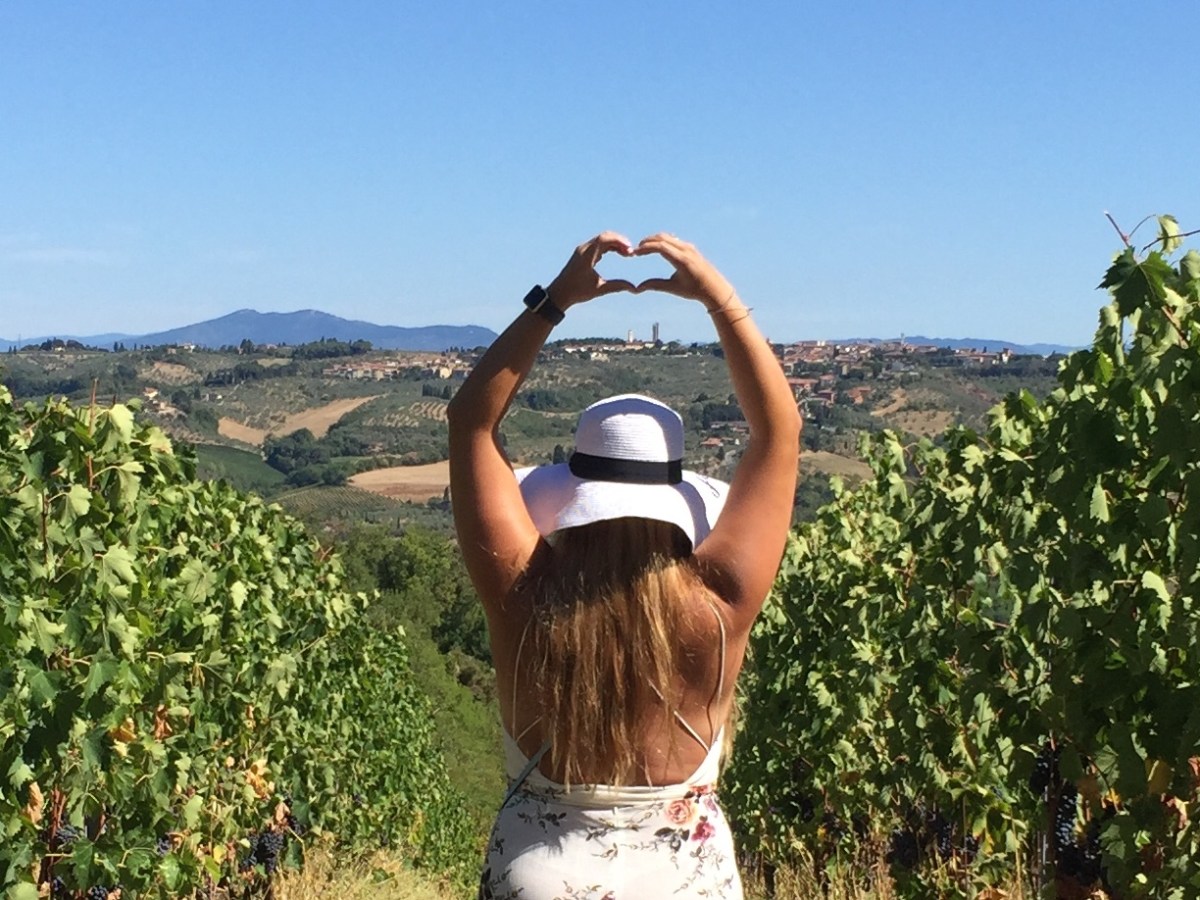
TUSCANY WINE TOUR: SIP, TASTE, AND EXPLORE CHIANTI IN A DAY
Experience the heart of Tuscany in a single day with a guided wine tour through the Chianti region. From rolling vineyards to historic wineries, this tour lets you taste world-class wines, savor local cuisine, and immerse yourself in the beauty of the Tuscan countryside. Perfect for wine lovers and first-time visitors, this one-day adventure will…
TOP 5 MUST-DO EXPERIENCES IN FLORENCE, ITALY
Florence is a city of cobblestone streets, Renaissance art, and unforgettable culinary experiences. From wandering historic piazzas to shopping for leather at Mercato Centrale, these five activities will help you experience the best of Florence in style.
4 SURPRISING THINGS ABOUT FLORENCE MOST TOURISTS DON’T KNOW
Unlock insider secrets of Florence—from hidden gems to little-known facts about the city’s art, architecture, and history—that most tourists miss on their first visit.
 TRIPPY TULIP